Locked out of your house? What to check before calling for help
Stay calm and take stock
Finding yourself locked out of your own home is frustrating, but a little pause can save you time and money. Before you reach for your phone, run through a short mental checklist. Many lockouts have a simple fix that does not require a professional, and even when they do not, knowing what is going on helps you explain the situation clearly when you do call for help. A residential locksmith can handle most door and lock problems, but you want to make sure you actually need one before you book an appointment.
Check all obvious entry points
It sounds basic, yet it is the most common oversight. Walk around the house and try every door and window that you know opens from the outside. A back door you rarely use might have been left unlocked. A window above a porch or a side gate might give you a way in. If you have a garage, check the man door or the garage door opener if you keep the remote in your car. The goal is to find an open path before you assume the lock itself is the problem.
Look for a spare key you had forgotten
Many people hide a spare key somewhere on the property, but they sometimes forget where. Check under the doormat, inside a fake rock, under a loose paving stone, or in a magnetic box stuck to a metal downspout. If you have a neighbour you trust, ask if they still hold a copy you gave them years ago. It is also worth calling a family member or roommate who might have a key and could come let you in. This step often resolves the situation in minutes.

Examine the lock and door alignment
If no spare key appears and all doors are locked, take a close look at the door and the lock itself. Sometimes the problem is not that the lock is broken, but that the door is slightly out of alignment with the frame. Weather changes can cause wood to swell or settle, making the deadbolt or latch stick. Try gently pushing or pulling the door while you turn the key. If the key turns but the bolt does not move, the lock cylinder may be jammed. If the key will not go in all the way, the keyway could be blocked by dirt or a broken piece of a previous key. These are all signs that a residential locksmith can fix quickly, but you want to be sure the issue is not just a sticky door before you call.
Check if the key is actually the right one
It happens more often than you think: you grab the key for your old apartment or a different lock and try to force it into your current door. If the key does not slide in smoothly or only goes in partway, stop. Forcing the wrong key can damage the pins inside the lock cylinder, turning a simple lockout into a repair job. Compare the key you are using with any other keys you have for the house. If you are unsure, look for a brand name or a code on the lock face that a locksmith can use to cut a new key if needed.
Consider the time of day and your safety
A lockout at 2 a.m. feels different from one at 2 p.m. In the middle of the night, your options for getting help are narrower, and you should be extra cautious about who you call. Verify that the locksmith service you contact is legitimate and available for emergency calls. If you are in a multi-unit building, check with the building manager or a neighbour who might have a master key or know a trusted locksmith. Never feel pressured to go with the first number you find online, especially if the price seems too low or too high. A reliable residential locksmith will give you a clear estimate before they start work.
Gather proof of residence if you do call
When you decide you need professional help, a locksmith will usually ask for proof that you live at the address before they unlock the door. This is a standard security step. Have your ID ready, along with a piece of mail, a lease agreement, or a utility bill that shows your name and the address. If your ID does not match the address, be prepared to explain the situation. Some locksmiths may also accept a signed letter from the property owner or a verbal confirmation from the building manager. Having this ready speeds up the process and avoids any delays once the locksmith arrives.
Know what kind of lock you have
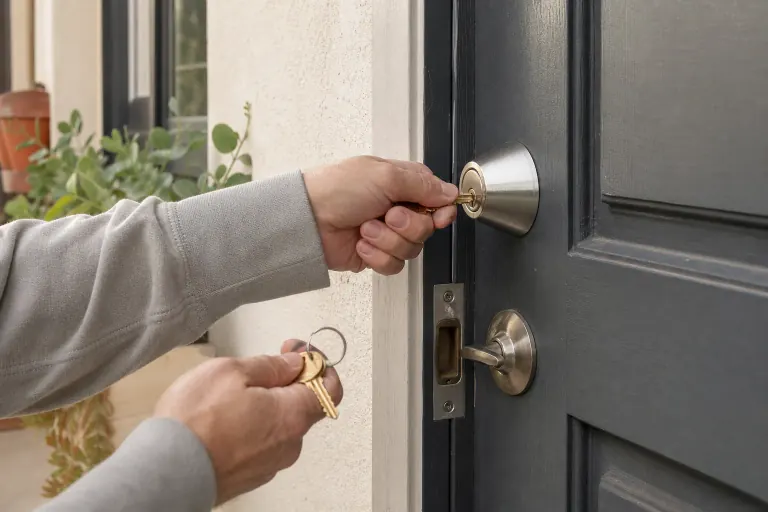
Different locks need different tools and skills. A standard key-in-knob lock is straightforward. A high-security deadbolt with a restricted keyway requires a locksmith who carries the right blanks and tools. If you have a smart lock with a keypad, the problem might be a dead battery rather than a mechanical failure. Look for a small backup key slot on the smart lock, or check if you can power it with a 9-volt battery pressed against the contacts on the bottom. Understanding your lock type helps you describe the problem accurately when you call. RR Locksmith Connect, a Los Angeles locksmith connection service, can help you find available providers for home lock and key needs, so you can get matched with a locksmith who has the right experience for your specific lock.
Assess whether you need a simple unlock or a repair
Sometimes the lock works fine and the only issue is that you left your keys inside. Other times, the lock is broken, the key snapped off in the keyway, or the strike plate is misaligned. If you can see that the lock is damaged, let the locksmith know ahead of time. That way they can bring replacement parts like a new lock cylinder or a reinforced strike plate. A good residential locksmith will also check the door jamb for damage and suggest upgrades if the wood is weak. Getting the full picture before the visit means fewer surprises and a faster resolution.
Think about your options for getting back in without damage
If you are locked out of a home you own, you might be tempted to break a window or force the door open. That is almost always more expensive than calling a professional. A broken window needs replacement, and a damaged door frame can cost hundreds to repair. A locksmith can open most residential doors without damaging the lock or the door itself. They have tools like lock picks, bypass tools, and wedges that let them work the latch or the deadbolt without drilling. In rare cases where drilling is necessary, the locksmith can install a new cylinder on the spot. It is almost always worth waiting for a professional rather than taking a crowbar to the door.
Keep a list of trusted contacts handy
Once you are back inside, take a few minutes to prepare for the next lockout. Store the phone number of a reliable residential locksmith in your phone. Keep a spare key with a trusted neighbour or in a secure lockbox mounted out of sight. Check your locks for wear and consider upgrading to a model with a higher security rating. A little planning turns a stressful event into a minor inconvenience. If you do not already have a go-to locksmith, services like RR Locksmith Connect can connect you with available providers in Los Angeles for home, business, and vehicle lock and key needs, saving you the trouble of searching when you are already locked out.
Final practical tips to remember
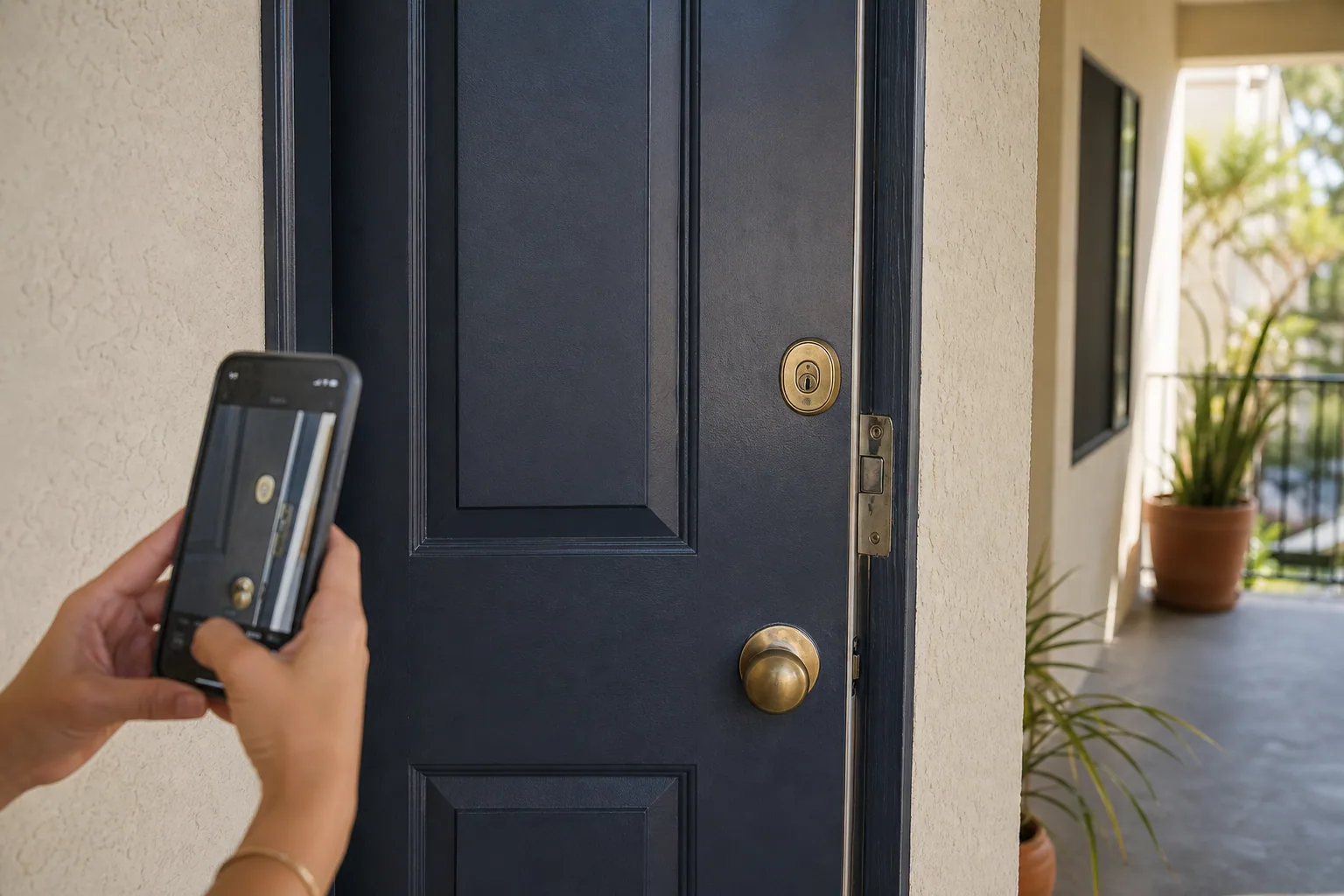
Lockouts happen to everyone, but they do not have to ruin your day. Always check the obvious first: other doors, spare keys, and the key itself. Look at the door alignment and the lock condition so you can describe the problem accurately. Have your ID and proof of residence ready if you call a professional. And remember that a good locksmith can solve most lockout problems without damaging your door. The more you know about your own lock and door setup, the smoother the whole experience will be.